
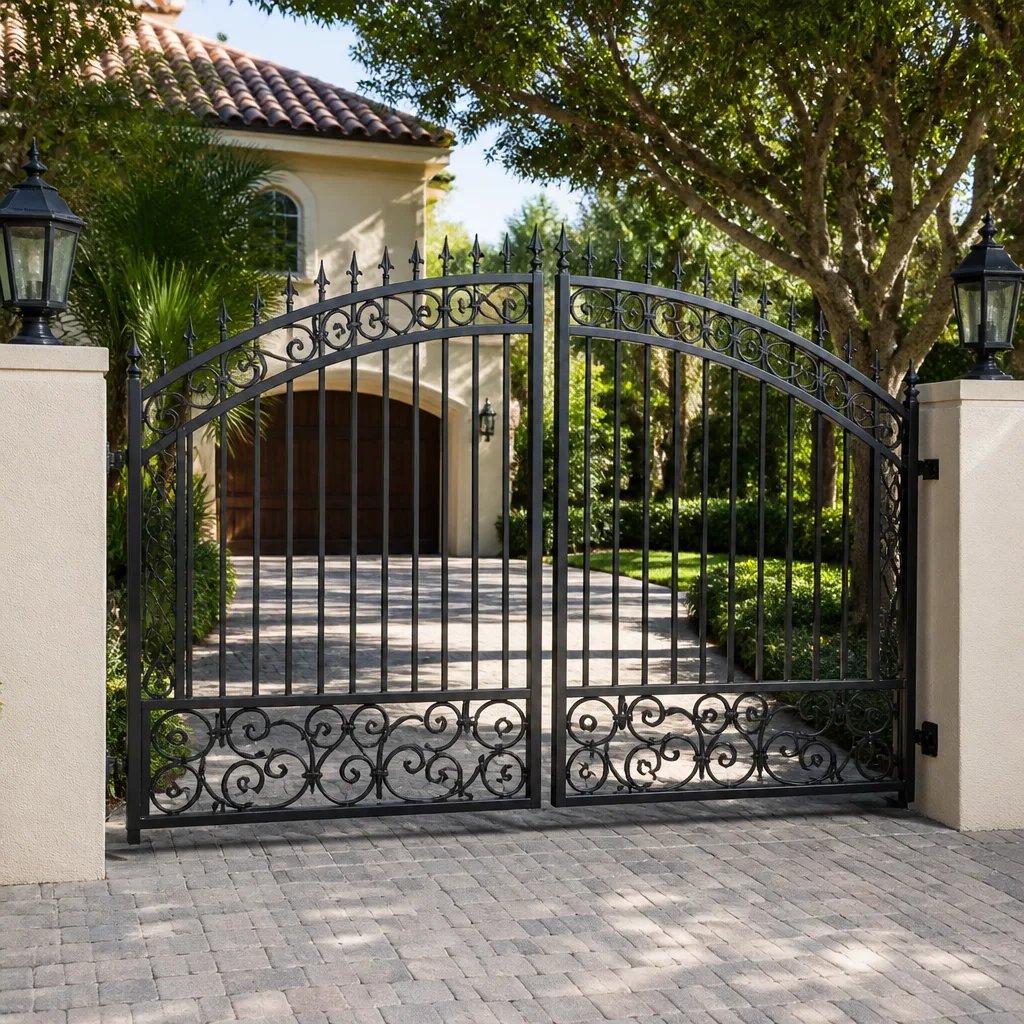
 Wrought iron
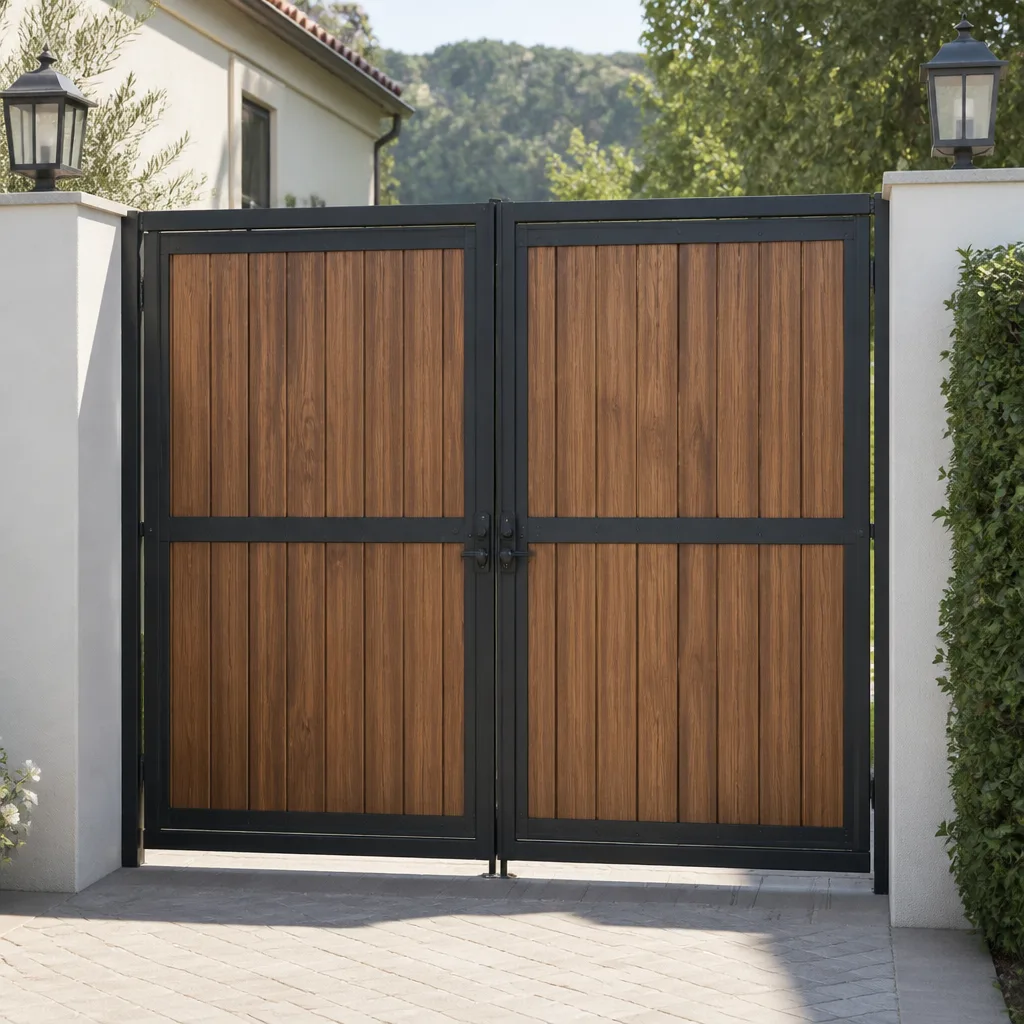 Wood & steel frame
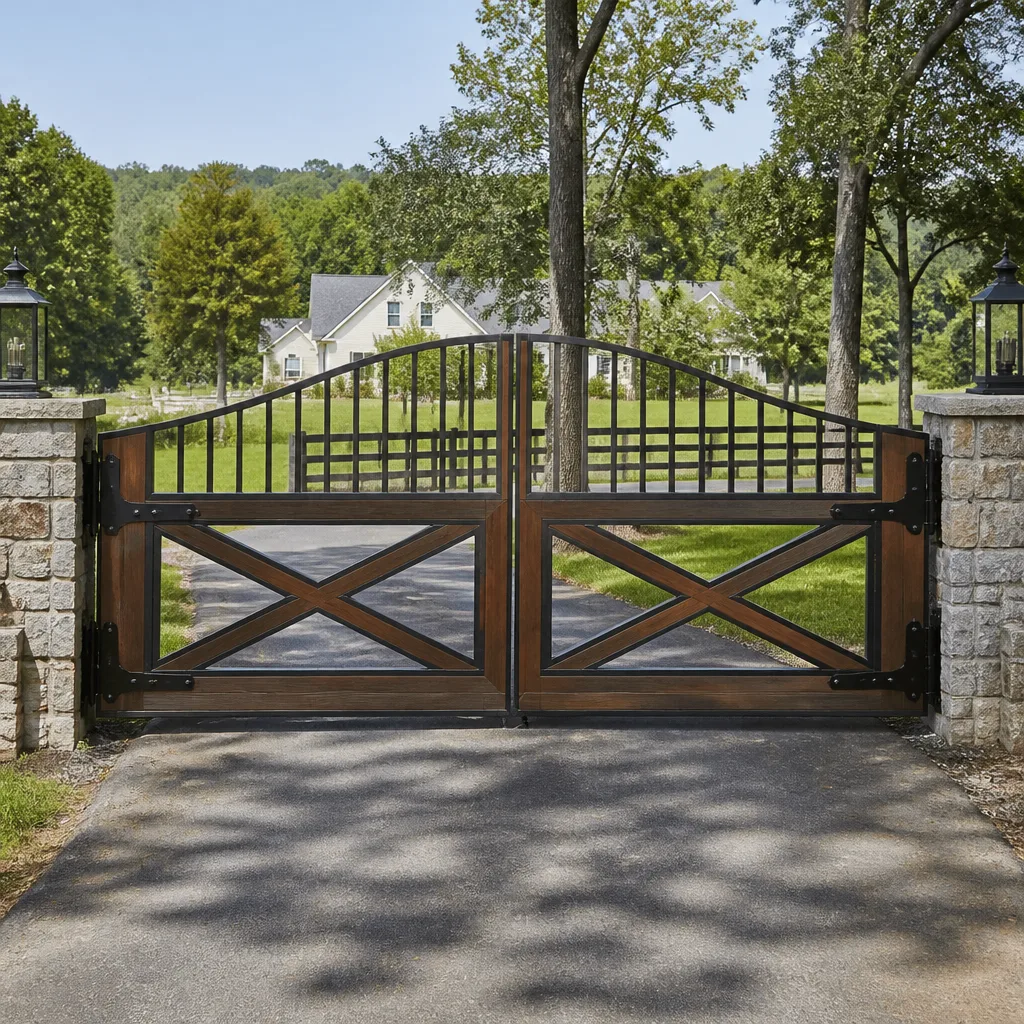 Farm & ranch
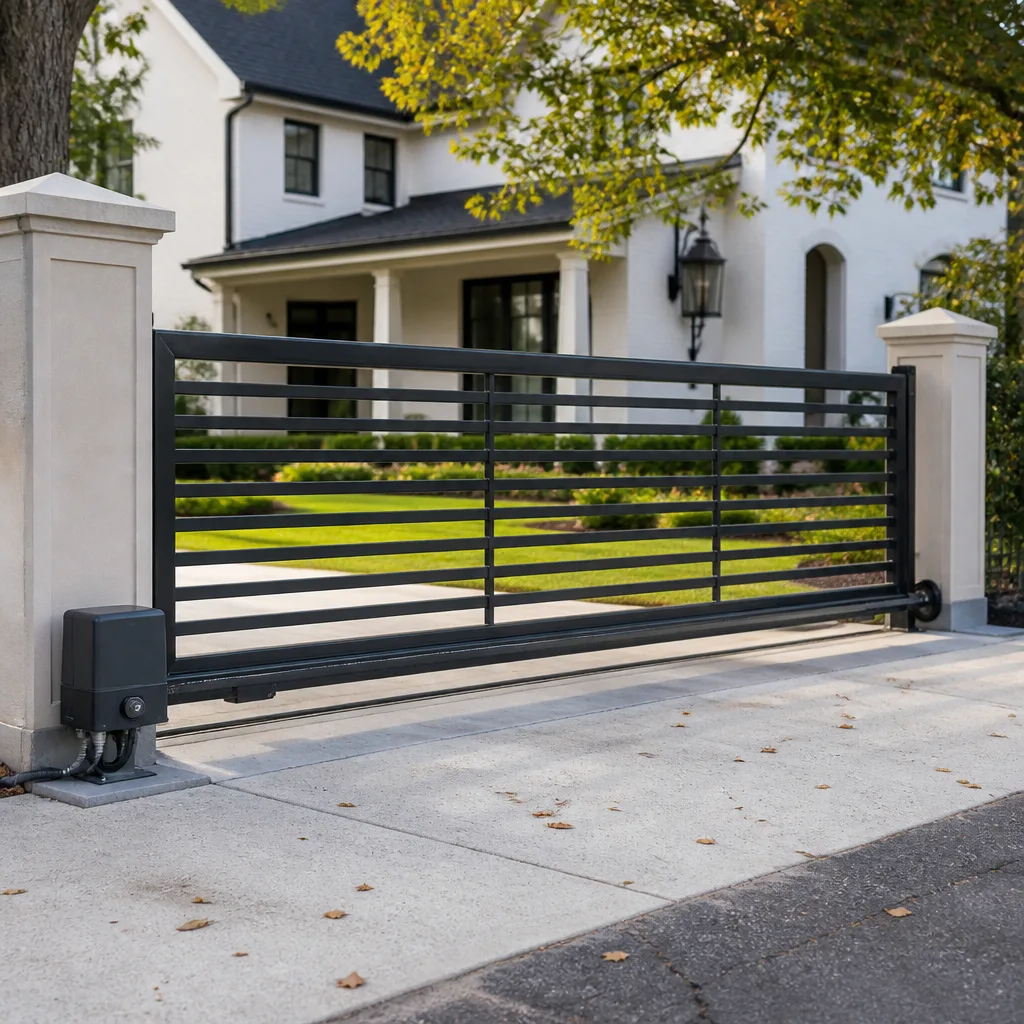 Sliding driveway gates
 LiftMaster operators
Free on-site gate assessment - hinges, posts, and your LiftMaster or Nice gate operator checked before anything is quoted
The assessment is free and the quote is the invoice.
Get your free estimateFAAC Welding & Fabrication: The West Covina Owner’s Guide
We stock and install FAAC-compatible welding and fabrication components across West Covina, with most hinge, bracket, and gate frame repairs priced between $350 and $1,400 depending on the extent of the damage and whether we’re repairing in place or removing the gate for shop work. This is a repair we schedule within 24 to 48 hours in most cases, not an emergency dispatch situation. The way most homeowners find out they need this work is simple: the gate starts dragging on one corner, or it makes a grinding sound when it moves, or it suddenly won’t latch because the post shifted. In West Covina, where we get real temperature swings between summer and winter, metal expands and contracts enough that welds on older FAAC-equipped gates eventually crack. The crack starts small, at a stress point like a hinge or a stop bracket, then grows. By the time you notice the gate leaning or binding, the weld has usually been failing for weeks.
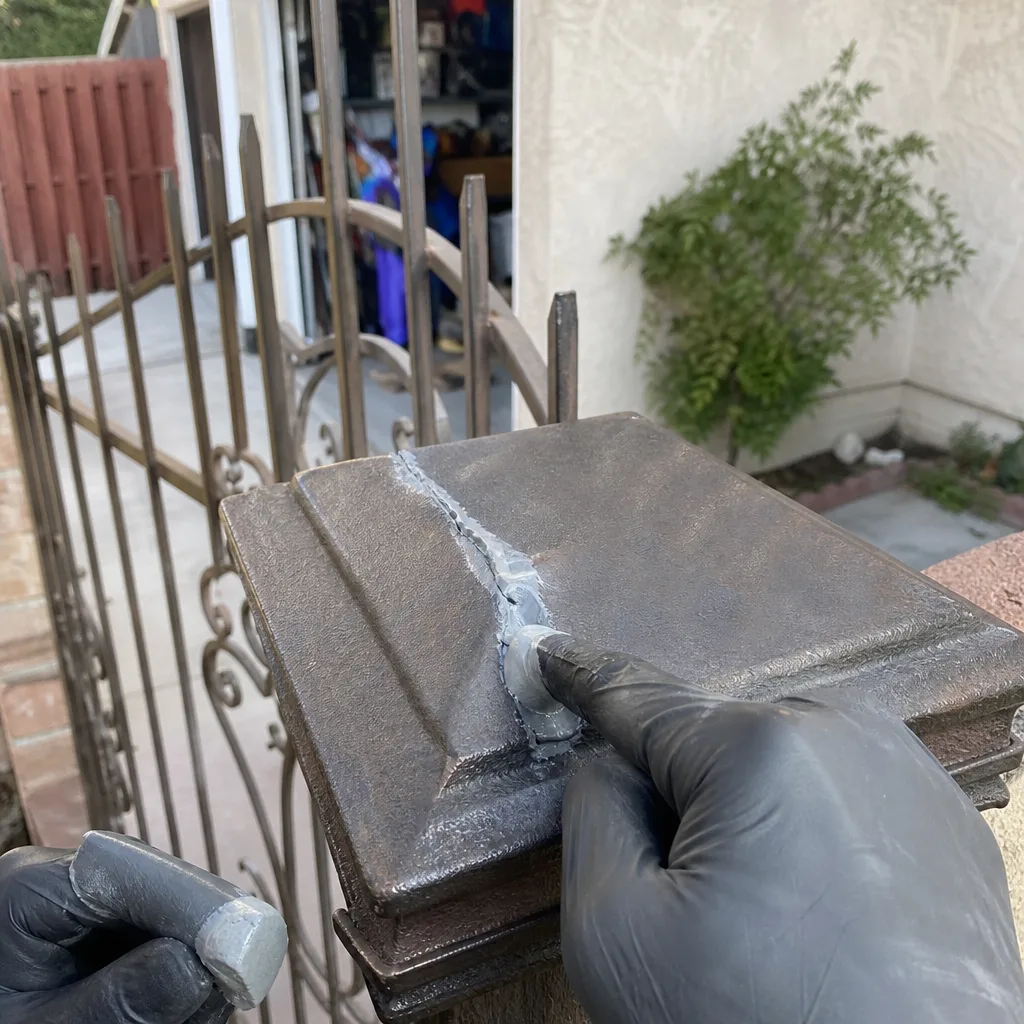
What surprises most owners is that the operator itself is rarely the problem. The FAAC motor keeps pushing, but the gate it’s attached to has lost structural integrity. That’s the work we do most often: rebuilding the metal so the operator has something solid to move again.
Which FAAC Models This Applies To
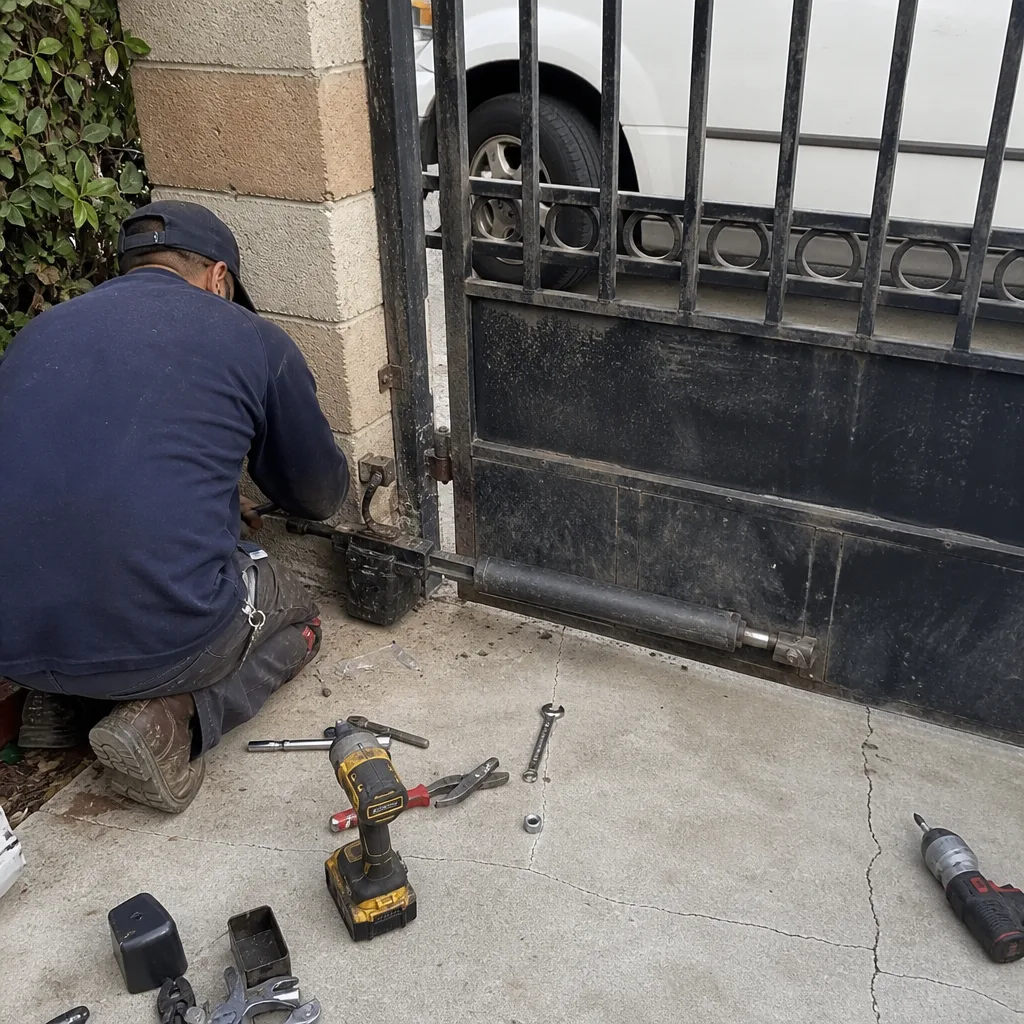
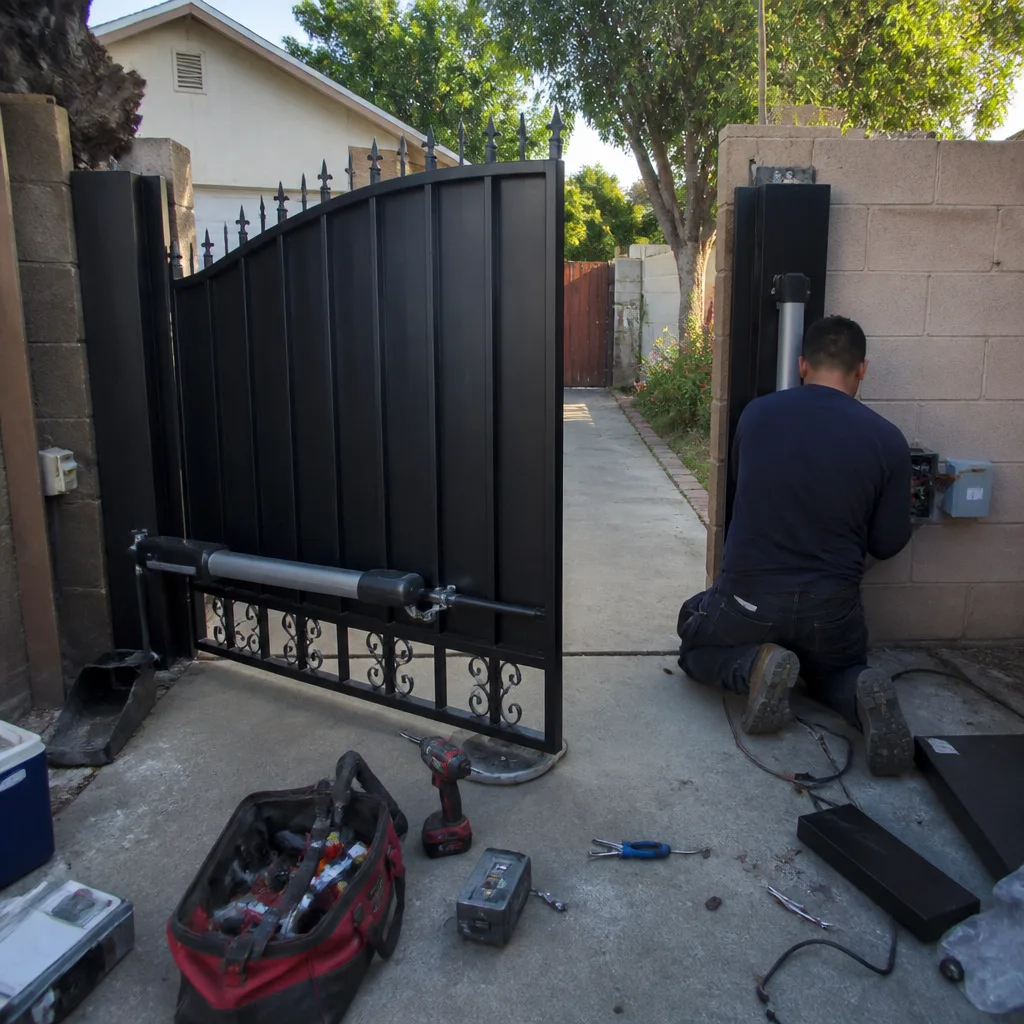
Welding and fabrication work isn’t tied to a specific FAAC operator model the way a control board or limit switch is. What matters is what the operator is bolted to. We do this work on gates running FAAC 400, 412, 415, 760, 770, 844, S418, and S450 hydraulic operators, as well as the C720, C721, and 391 swing operators. The operator model only matters for clearances and mounting positions. The welding itself deals with the gate’s structure: hinge plates, post brackets, rack mounts, stop tabs, and the steel frame sections that carry all the load.
One compatibility gotcha we see regularly in West Covina: FAAC hydraulic operators are heavier than most homeowners realize, and they mount with a specific bolt pattern. If a previous repair welded a generic plate onto the gate instead of matching the FAAC mounting geometry, the operator sits slightly off-axis. It still runs, but it works against the hinge alignment every cycle. That off-axis load is what kills hinges and eventually cracks the gate frame around the mount. When we fabricate, we match the plate to the operator’s actual bolt pattern, not the other way around. It’s a small thing that prevents a much larger repair two years down the road.
On the OEM-versus-aftermarket question: for structural steel, plate, and weld wire, there’s no meaningful “FAAC-branded” material to buy. The fabrication is custom, done to your gate’s actual measurements. What matters is the spec of the steel and the quality of the weld, not a label on a box. We use mild steel plate and tube matched to the existing gate material, which on most West Covina residential installations is 1.5-inch or 2-inch square tubing with 1/8-inch or 3/16-inch wall. If your gate was built lighter, we’ll tell you before we weld anything.
Styles & brands we work with
Signs Your FAAC Welding & Fabrication Is Failing
- The gate scrapes the ground on the latch side. This usually means a hinge weld has stretched or cracked and the gate has dropped at the free end. The FAAC operator will still move it, but every cycle grinds the bottom rail against the driveway and makes the drop worse.
- You can see daylight through the hinge joint when the gate is closed. A proper hinge has full contact between the pin and the leaves. When weld fatigue lets the leaf pull away, you’ll see a gap that wasn’t there before.
- The gate hesitates or stutters about halfway through its travel. That’s usually not the motor. It’s the gate frame flexing against a bad weld or a broken internal brace, and the FAAC’s force-sensing is reading the added resistance. The operator is trying to tell you something.
- A stop bracket or ground plate has cracked away from the concrete or the post. This is common on swing gates where the stop takes the full force of the closing cycle. Once that tab cracks, the gate over-travels and slams the operator’s internal limits, which accelerates wear on the piston.
- You hear a metal-on-metal grind that only happens when the gate moves. It’s not always the hinge. Sometimes it’s the gate’s own frame rubbing against a post, meaning the structure has shifted enough that two surfaces that should never touch are now in contact.
See the difference
 Before
 After
After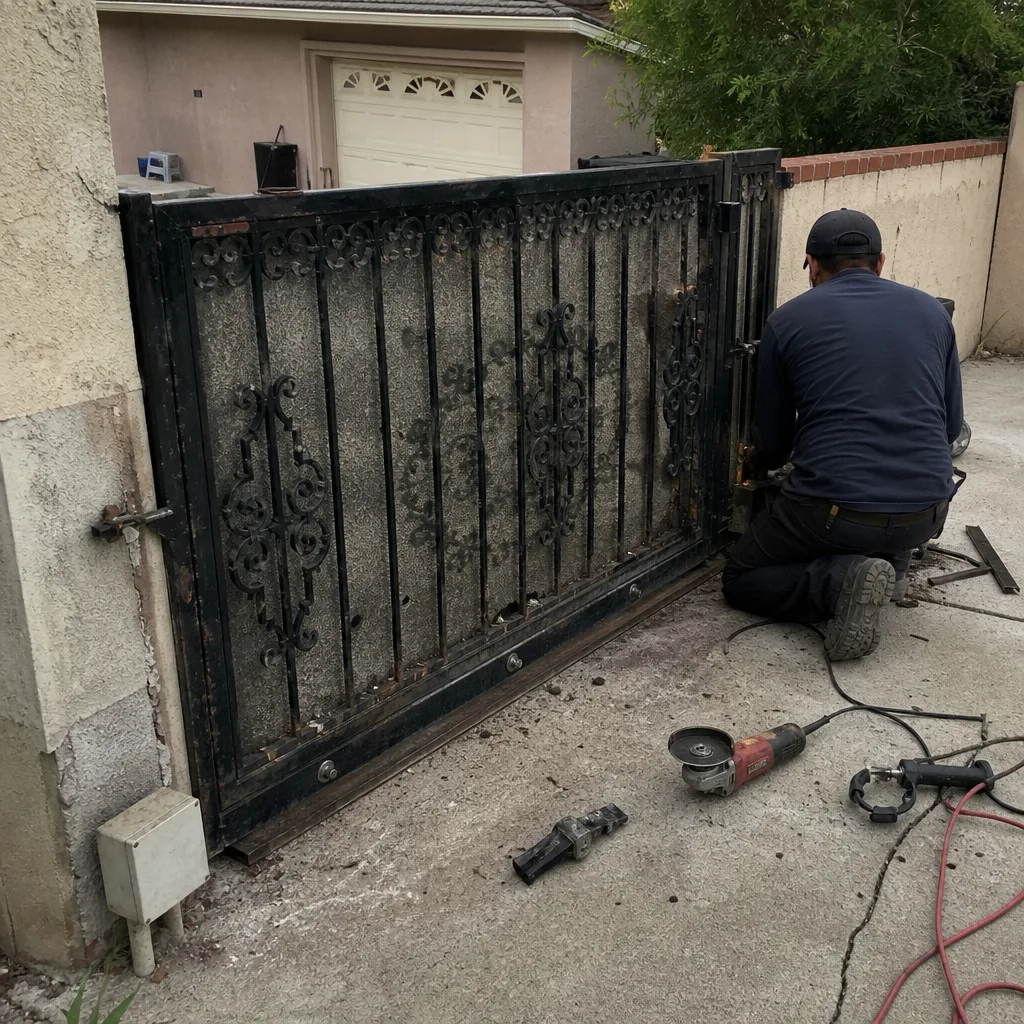 Before
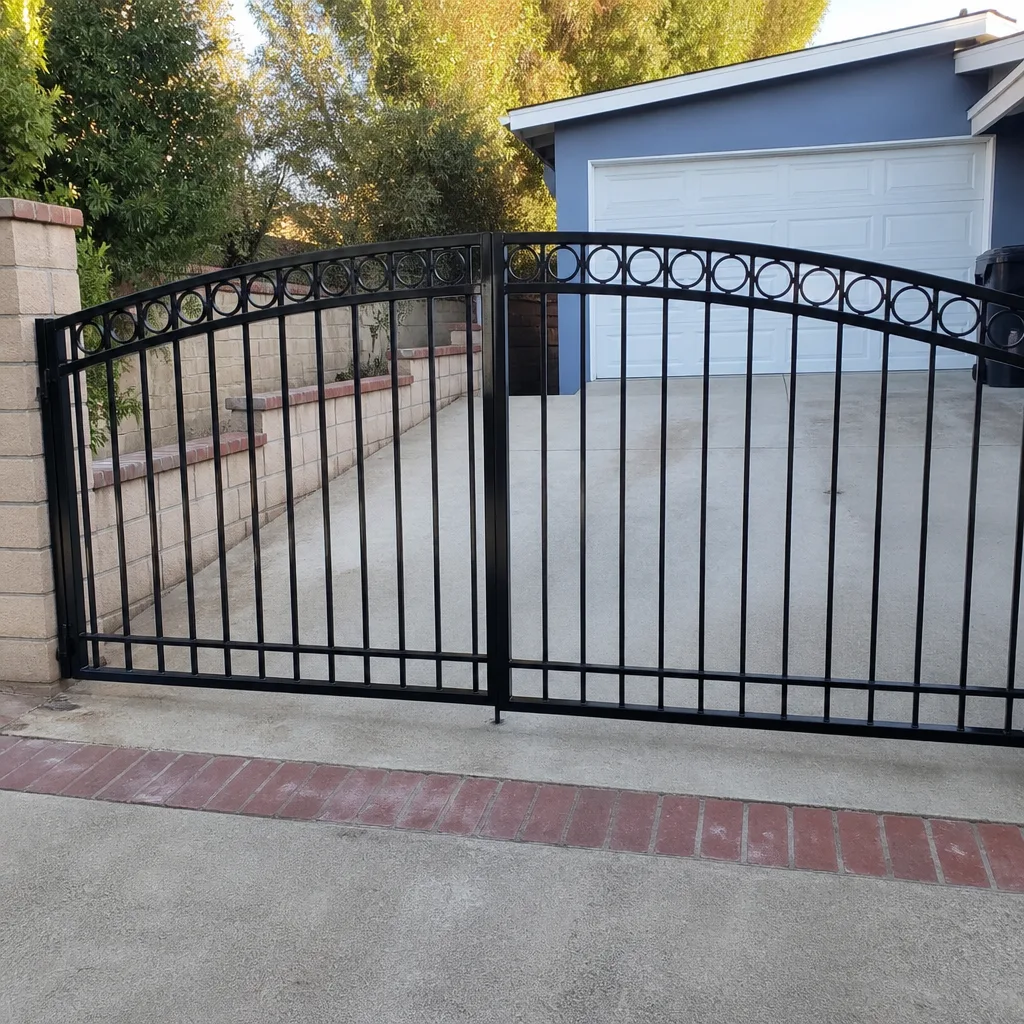 After
After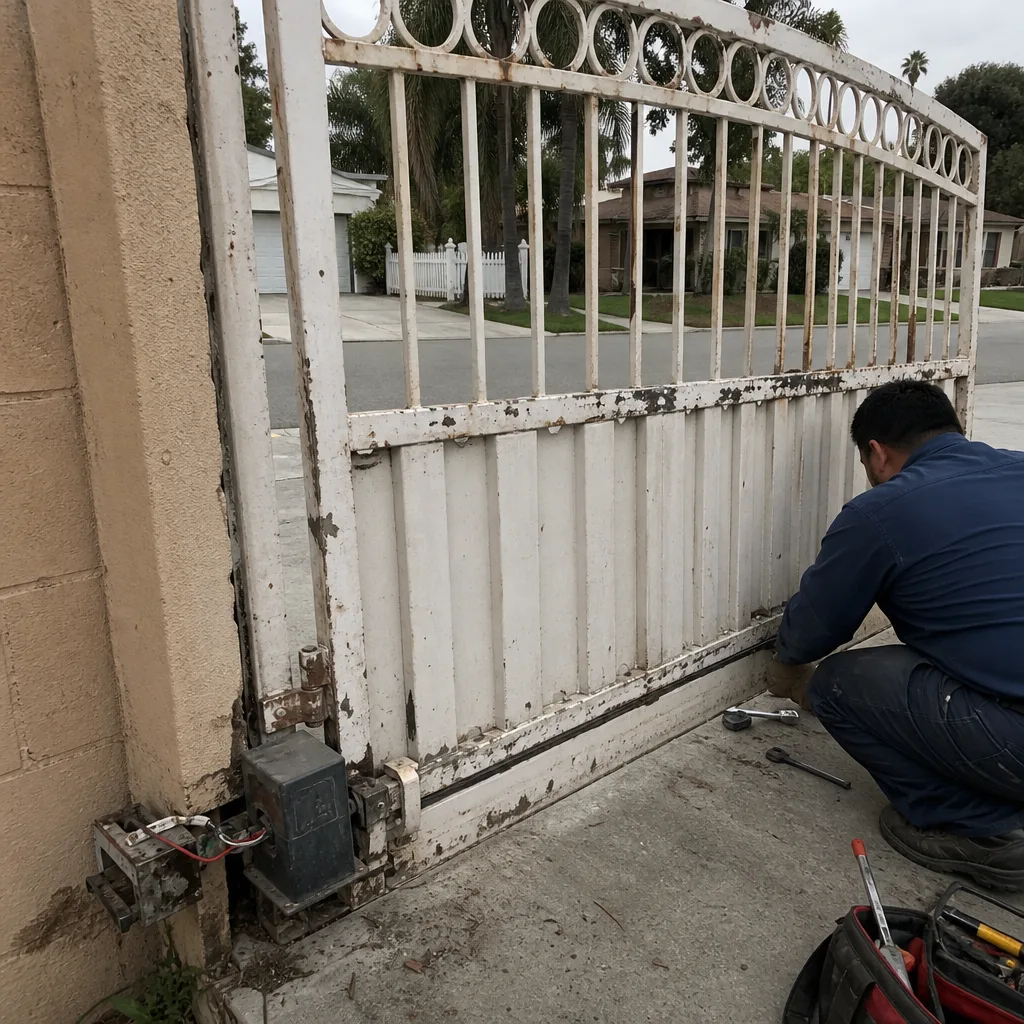 Before
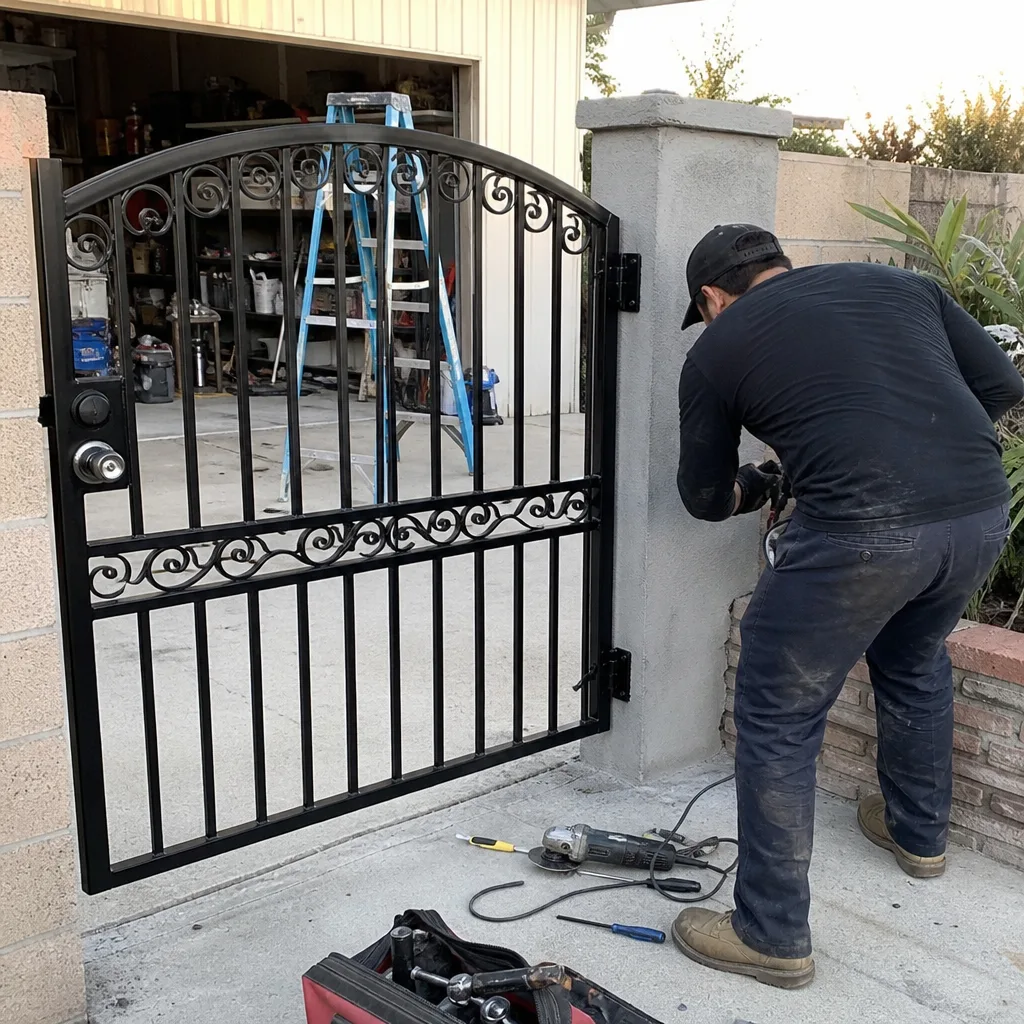 After
AfterReplacement Cost & What’s Included
In West Covina, you can expect to pay:
- Hinge repair or replacement, single hinge: $180 to $380
- Post bracket fabrication and re-weld: $220 to $450
- Gate frame crack repair (in place): $200 to $600 depending on access and how far the crack runs
- Operator mounting plate fabrication: $250 to $500
- Full gate rebuild or substantial structural repair: $500 to $1,400 depending on the amount of steel being replaced
Two things drive the range: access and the condition of the surrounding metal. If we can weld in place with the gate on its hinges, the job costs less. If the gate has to come off and go to our bench, you’re paying for the extra handling, and sometimes that’s the only correct approach. We don’t weld on top of rusted or fatigued steel and call it done. If the metal around the repair won’t hold a weld, we cut back to solid material and replace it, and we quote that before we start.
Every repair gets a written price before any work begins. The number doesn’t move once you approve it. Our work carries a written guarantee for a full year, and if a weld or fabricated part fails inside that window, we come back and make it right at no charge. That’s standard on every job, not a negotiated extra.
DIY or Call Us?
You can safely check a few things before you call. Look at the hinge plates and mount brackets for visible cracks or gaps. Push gently on the gate (with the operator disengaged) and watch how it moves. If you can rock it laterally more than a quarter inch at the hinge, something structural is wrong. But that’s where the safe DIY work ends. Welding a gate correctly requires knowing what the steel is, cleaning it properly, controlling heat so you don’t warp the frame, and matching the weld to the load the gate carries. A poor weld on a gate that weighs hundreds of pounds can fail catastrophically, and that gate is exactly where kids and pets walk. If you don’t weld for a living, or you don’t have a machine set up for outdoor steel, this is a job for someone who does. We keep the truck stocked with plate, tube, and the right consumables for mobile work across West Covina, and we quote the job before we strike an arc. Call us at (925) 268-7956 if you want someone to look at it and give you a straight answer.
FAQs
A properly done weld on a properly prepared surface should last the life of the gate, which in West Covina’s climate means 10 to 20 years for a well-built steel gate before fatigue becomes a factor. The failures we repair are almost always a result of the original weld being undersized, poorly penetrated, or placed at a point the gate’s weight was always going to break. If you want a specific lifespan on your repair, the answer depends on the gate’s design and where the stress falls. Call (925) 268-7956 and we’ll give you an honest assessment based on what we find.
Most cracks can be repaired, and in fact most of the gates we weld in West Covina are worth saving. The gate’s operator, its hinge hardware, and its overall geometry usually still have years of service left. Replacement makes sense when the steel itself is rusted thin in multiple places, which does happen on older gates that haven’t been painted in a decade. We’ll tell you which situation you’re in, with numbers for both options, before you spend anything.
A hinge or bracket repair in place typically takes 2 to 4 hours on site, including setup, prep, welding, and replacing any components like bolts or bushings that are worn. A more involved structural repair where the gate comes off the hinges can take a full day or more, depending on scope. We schedule the work once the parts and material are confirmed, and we show up when we say we will.
We keep common weld-in hinge plates, post brackets, and receiver tabs on hand, along with the steel stock we use most for gate repair across West Covina. FAAC-specific components like the rear mounting bracket or the operator clevis are ordered to match your exact operator model, because those need to match the piston travel and geometry precisely. We also carry parts for LiftMaster, Mighty Mule, and Ghost Controls operators, so most of the time the hardware we need goes on the truck before we leave the shop.
If your FAAC gate is leaning, grinding, or cracking, call us at (925) 268-7956 for a free estimate. We’ll look at it, quote it in writing, and fix it so the gate either works right or it doesn’t, with nothing in between.
Written by Lonnie Burke, Owner, Carver Gate Repair West Covina at Carver Gate Repair West Covina, serving West Covina and nearby areas.